
Learning a stringed instrument builds far more than musical skill. It develops fine motor control, patience and the ability to keep working at something difficult, and those transfer to everything else a child does. For adults, it is one of the few genuinely absorbing things that is not a screen.
It builds the ability to persist
A string instrument has no frets and no keys. A child has to find the note themselves and hear when it is wrong. That is frustrating, and working through that frustration weekly is the actual lesson. The fine motor control, the curiosity and the patience transfer straight into schoolwork.
It builds confidence that is earned
Confidence built on praise alone does not hold. Confidence built on having genuinely learned to do something difficult does. A child who can play a piece in front of people has proof, and they know it is proof.
This is why patience from the teacher matters so much at the start. No harsh words, ever, to a young child holding an instrument for the first time. Encouragement and guidance get a child to their first recognisable tune, and that moment does the rest.
It gives them somewhere to put things
As technique improves, the instrument stops being a task and becomes a way to express something. For a lot of students it becomes the place where feelings go that they do not yet have words for.
For adults
Adults arrive with a different reason: they meant to do this once and never did, or they played as a child and stopped. Both are good reasons. Progress as an adult is different, not slower. You understand structure faster and practise more deliberately, but your hands take longer to do what you tell them. Knowing that in advance makes the first months much less discouraging.
Which instrument
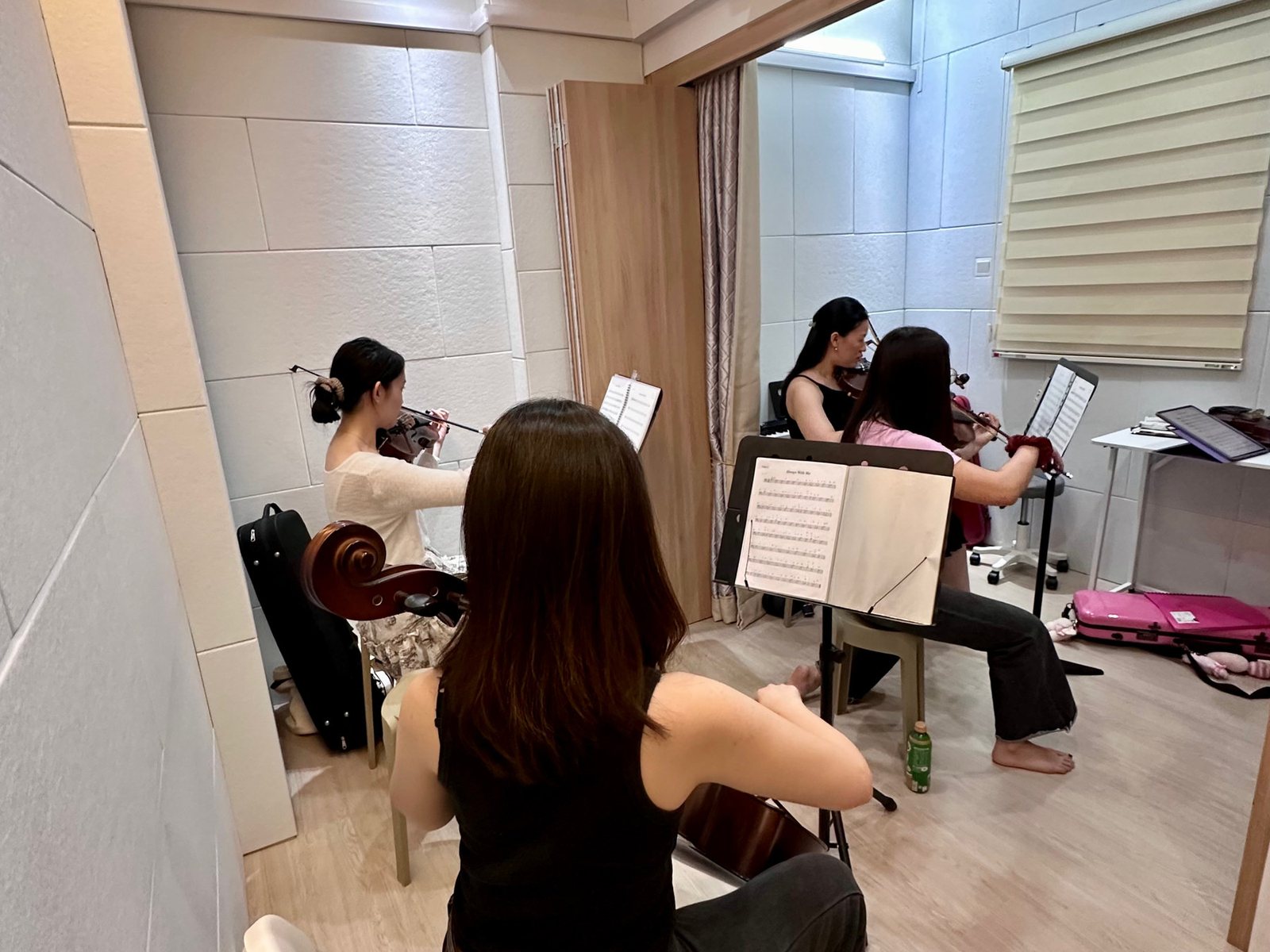
Violin can start from four years old. Cello starts from six because it needs more physical reach. Choosing for a child? The honest answer is usually whichever sound they respond to.
Book your first lesson
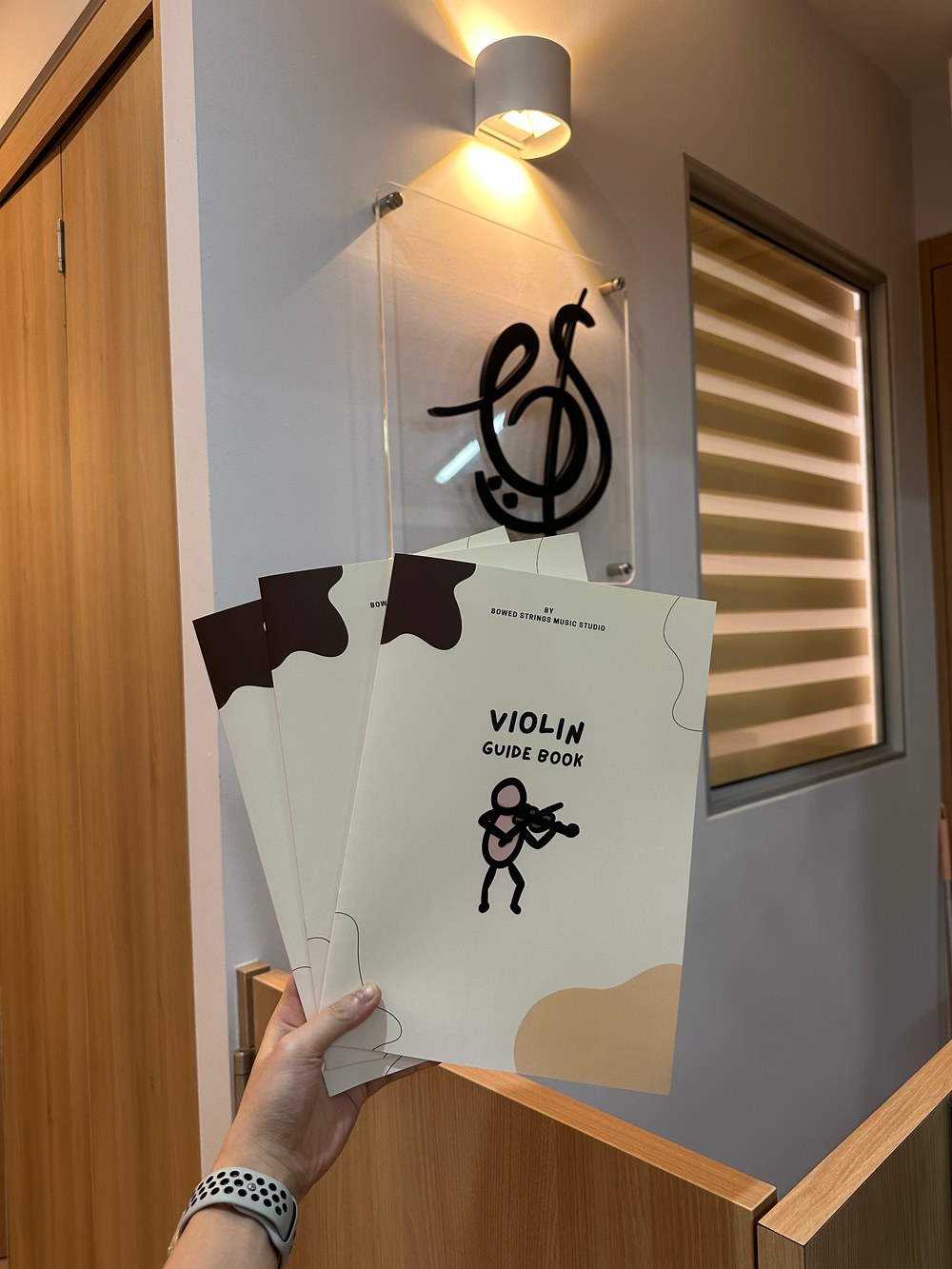
Beginners get a free booklet, and you can borrow an instrument rather than buying one first.